First Encounter with Spanish-Style Architectural Towns
Among the many towns in Spain, some are renowned for their distinctive architectural styles and long histories. These towns are often nestled between mountains or along the coast, with narrow layered streets, roofs covered in red terracotta tiles, whitewashed walls, and flower-filled windowsills. Walking along such streets feels as if time slows down, inviting you to observe every detail attentively.
Architectural Features and Historical Origins
Spanish-style architecture often blends elements from Arabic, Gothic, Renaissance, and other styles. For example, in the Andalusian region, you can find ancient arched gateways, courtyards adorned with intricate Moorish tiles, and lively central squares depicted in Spanish Town Architecture. 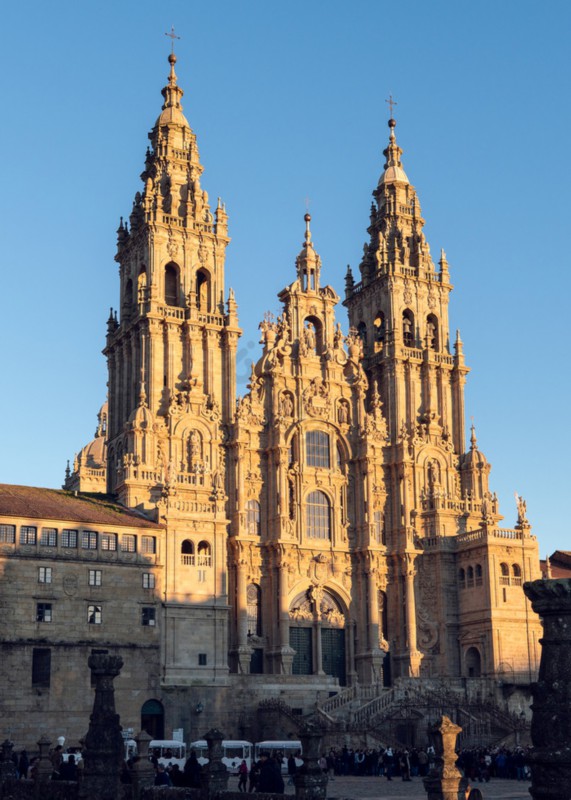 These details tell the story of the town’s evolution and reflect the profound influence of local climate and geography on its buildings.
The Experience of Wandering the Streets and Alleys
Wandering through such a town, the most captivating aspect is its network of intertwining alleys. Cobblestone paths occasionally see horse-drawn carriages passing by, while small corner cafés release the aroma of freshly brewed coffee. Every corner hides a surprise, which could be Spanish Town Architecture as an old church, or perhaps a terrace lovingly decorated by local residents. Compared to the uniformity of modern cities, these diverse and personality-filled streets make you feel the warmth of architecture.
Living and Lifestyle
Many visitors fall in love with such places during their travels and even choose to settle in these towns. Life moves at a slower pace, relationships among residents are close-knit, and communal connections are strengthened through interactions in the market square. The table below lists several famous Spanish architectural towns and their notable features:
| Town Name | Main Features |
|---|
| Frigiliana | Whitewashed walls, Moorish-style tiles |
| Ronda | Ancient cliffside city, spectacular stone bridge |
| Altea | Blue-domed church, seaside streets |
Travel Tips and Considerations
If Spanish Town Architecture you plan to visit these towns, it is advisable to check the local festival and market schedules in advance, as many traditional events occur only during specific seasons. Also, reserve plenty of time for walking, as the charm of these towns lies in slow exploration. Don’t forget to taste authentic local dishes at nearby restaurants, such as various tapas and grilled seafood, allowing your taste buds to revel in Spanish flavor.
During your journey through Spanish-style architectural towns, you are not just sightseeing but experiencing a way of life. This fusion of lifestyle and architecture creates unforgettable scenes, possibly inspiring you to return in search of that unique tranquility and beauty.
