The Interweaving of Tradition and Modernity
The architecture of Spanish towns often evokes a sense of traveling through time. Walking along cobblestone streets lined with whitewashed walls and timber-beamed houses, these buildings not only offer charming appearances but also reflect local adaptation to climate and historical heritage. Many window sills are adorned with vibrant flower pots, creating a striking visual contrast against the white walls.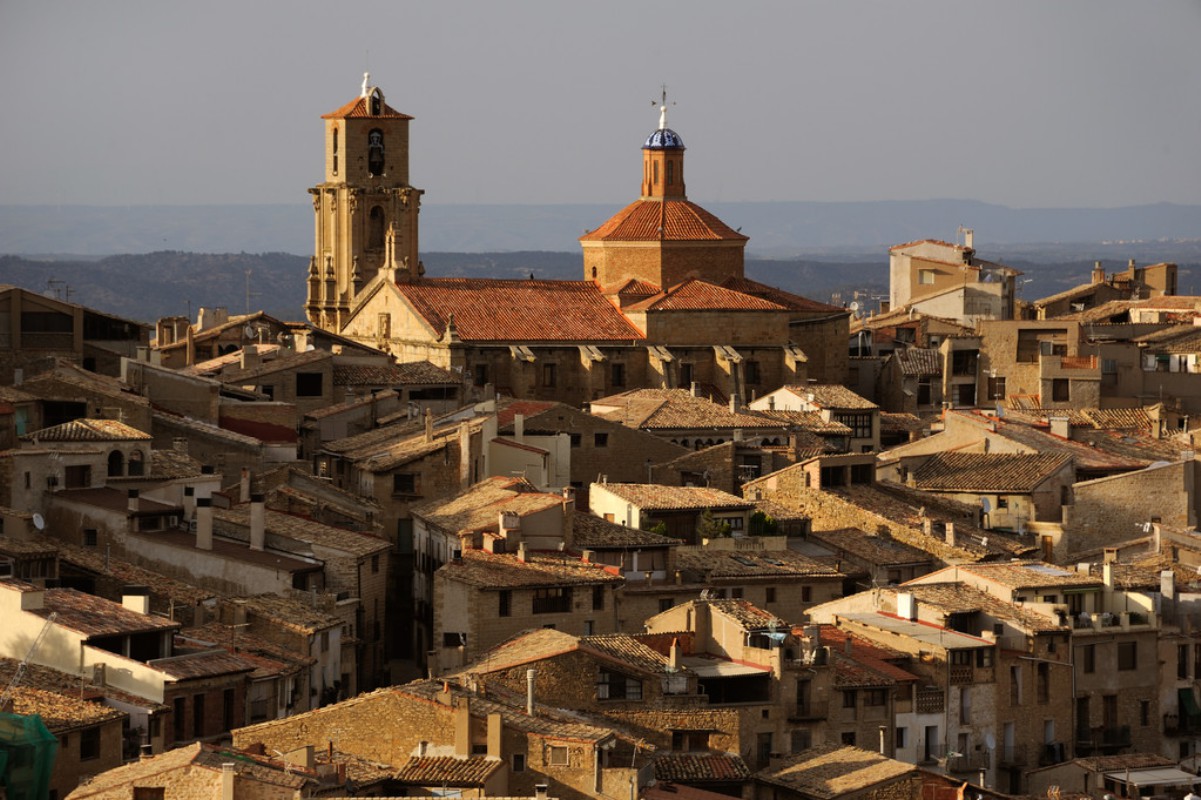
Skillful Use of Materials and Colors
Spanish town architecture often employs stone, wood, and ceramics as the main materials for Spanish town architecture. Stone offers excellent insulation for Spanish town architecture, while timber beams create a warm atmosphere indoors. Exterior walls are typically painted white or in warm tones, which is not only an aesthetic choice but also helps reflect sunlight in summer to keep interiors cool. In some regions, such as Andalusia, colorful ceramic decorations are embedded into walls, adding more storytelling elements to the buildings.
Architectural Layout and Public Spaces
Many towns have narrow, winding streets, with houses closely arranged to naturally provide shade. The town center often features a plaza, surrounded by cafés and churches, serving as both a social hub and a showcase of concentrated architectural styles. On these plazas, combinations of arched colonnades and low rooftops are common, offering residents a place to cool off in hot weather reminiscent of Spanish-style town architecture.
| Architectural Element | Function |
|---|
| Stone walls | Thermal insulation |
| Timber structure | Strengthens support and aesthetics |
| Colorful ceramics | Decoration and storytelling |
Regional Differences
Architectural styles vary significantly by region. Northern towns, with wet and cold winters, have steeply sloped roofs to facilitate rain and snow drainage, while Mediterranean coastal towns often have flat roofs for sun-drying and rooftop use. In the central plateau, buildings are solid with smaller windows to counter large day-night temperature differences. This approach adapted to local conditions gives each town a distinct regional identity.
Preservation and Innovation
In recent years, many young architects have integrated modern construction techniques while preserving traditional elements. For example, adding soundproof layers behind old stone walls, or introducing steel structures within timber frameworks for enhanced safety. This blend not only improves living comfort but also allows towns to strike a balance between the “ancient” and the “new”.
