Discovering the Architectural Charm of Spanish Towns
Strolling through the streets of a Spanish town, you will encounter a unique fusion: Moorish arches, thick stone walls, whitewashed cottages, and vibrant floral windows complementing each other. This combination of colors and structures is not just an aesthetic choice but the result of centuries of cultural convergence.
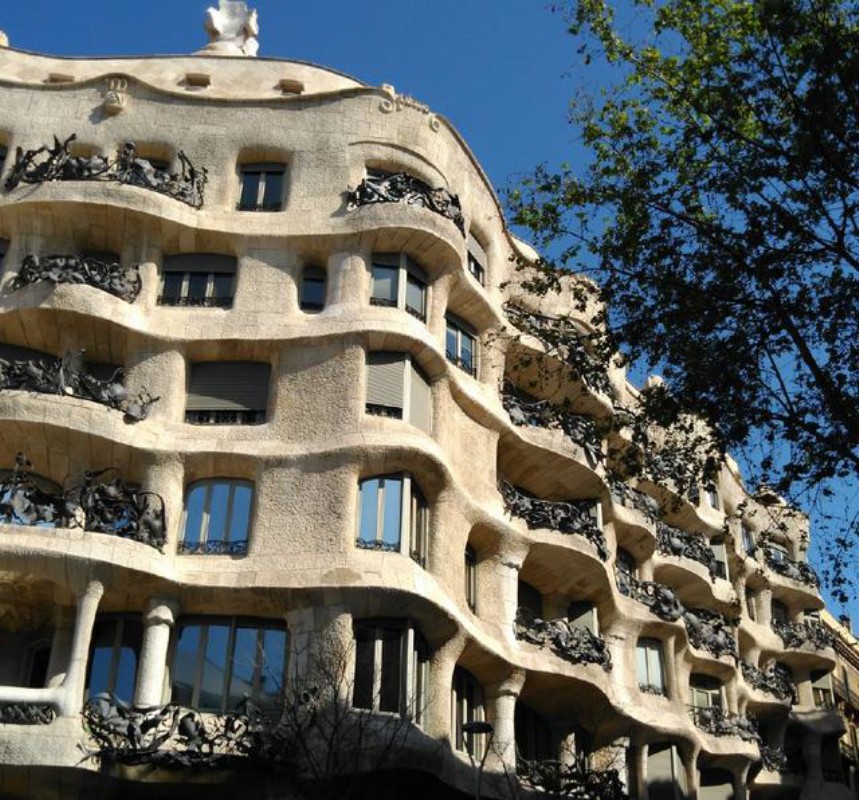
The Interweaving of History and Style
Southern Spain’s Andalusia region is heavily influenced by the Mudéjar style, while northern areas such as Galicia tend more towards Romanesque and Gothic elements. Reading these buildings is like leafing through a living history book; every detail reveals stories from the past.
| Style | Representative Region |
|---|
| Mudéjar | Andalusia |
| Romanesque | Galicia |
| Gothic | Castile |
Architectural Books in Everyday Life
You might find Spanish Town Architecture surprising; these buildings are not merely photo backdrops for visitors, they are the genuine living spaces of residents. Beneath ancient stone arches lies a modern café, and renovated old homes house young families. Architecture carries the warmth of daily life while adding lasting charm to the town.
Architecture and Festivals
During festivals, the squares and churches in towns become the hub of activities. For example, in the town of Arcos de la Frontera, Holy Week processions wind through cobblestone alleys, creating a striking scene with the grey-white buildings. This spectacle is not only a religious ceremony but also an interaction between people and their surroundings.
How to Experience These Buildings
If Spanish Style Architecture Town you plan to visit Spanish towns, take it slow — from the first morning rays shining on the walls to the glow of evening lights enhancing the beauty of the stonework, let Spanish Town Architecture guide you to truly experience the breath of architecture in the flow of space and time. Traveling becomes not just a visual feast but also a reading of the soul.
