Architecture and Calligraphy in Spanish Towns
On your first visit to certain Spanish towns, you will be captivated by the understated yet charming street scenes. Cobblestone streets are flanked by small white-wall, red-tile houses, with intricate woodcarving or ironwork decorating the door lintels and window frames. In the sunlight, they cast delicate shadows that make you slow your pace. Walking through such lanes feels like leafing through a history picture book.
When Architecture Meets Words
In some old town centers near squares or churches, you will find handcrafted calligraphic signs or nameplates. These inscriptions are mainly in Spanish, some in ancient Gothic script, others in flowing cursive. The shop names and street names are embedded into the architecture itself, making the words more than just carriers of information, with Spanish Town Architecture becoming a part of the aesthetic. 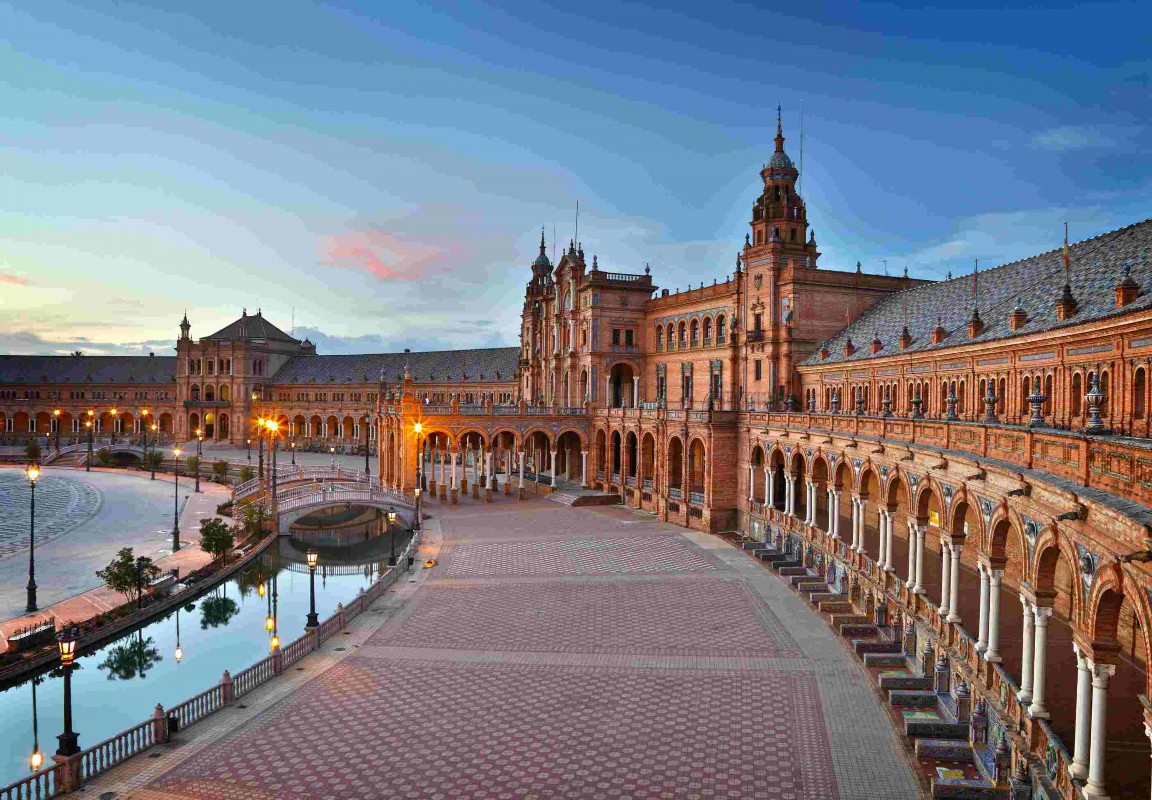
Decorative Styles by Region
| Region | Architectural and Calligraphy Features |
|---|
| Andalusia | White walls paired with hand-painted Arabic-style calligraphy |
| Catalonia | Colorful tiles combined with modern typography |
| Castile | Stone walls paired with classic Gothic script |
These differences stem from local cultural history and religious background, with Spanish Town Architecture showing each place’s own heritage and innovation. Sitting at a corner café, looking at the lettering on the sign, you will find that Spanish Style Architectural Town is as enchanting in its fonts as in its coffee aroma.
Preservation and Heritage
Today, many young artists are exploring new ways to combine architecture and calligraphy. They integrate modern fonts into the renovation of old buildings while respecting the original style. This cross-era dialogue infuses the town’s culture with greater vitality. Some communities even host festivals related to writing and architecture, inviting residents and visitors to participate together.
Travel Tips
If you plan to visit such Spanish towns, it’s best to allocate an entire day to wander through the streets, taking not only photographs but also closely observing the details of every sign, mural, and doorframe. With curiosity and respect, you may unexpectedly read the town’s inner voice. Such experiences let you feel the depth and warmth of the culture far more than simply browsing attractions.
