Architectural Styles and Cultural Heritage of the Spanish Colonial Era
Spanish colonial architecture, spanning from the 16th to the 18th centuries, flourished both in the homeland and across the colonies, as showcased in Spanish Colonial Architecture. This blended art form retained the cultural DNA of the Iberian Peninsula while absorbing local materials and decorative techniques through exchanges with the Americas, Asia, and Africa. It can be said that this was an early testament to globalization in architecture.
Colonial-era structures often drew upon Baroque, Gothic, and Renaissance styles, with adjustments in climate adaptation and decorative detail. For example, in Andalusia, one can see whitewashed walls combined with wrought iron floral window grilles; whereas in Latin America, colors are more vivid and religious carvings are exceptionally elaborate.
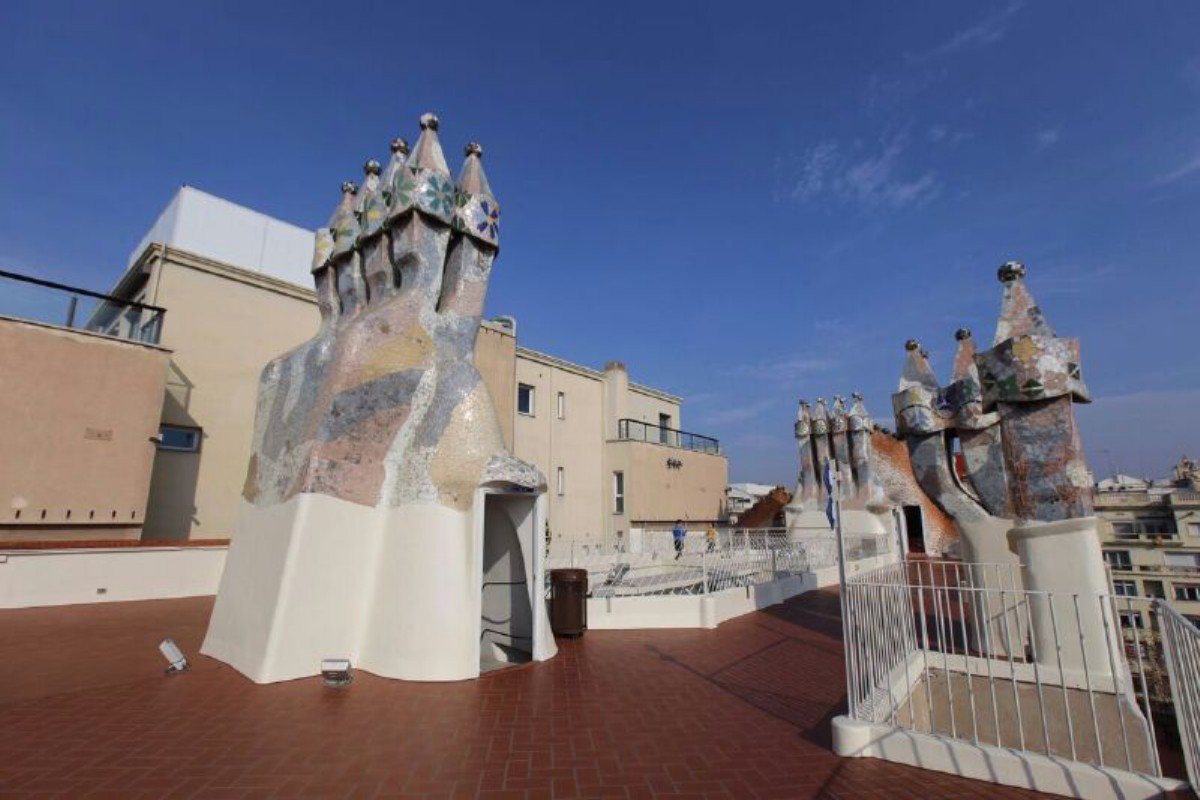
Common Architectural Elements
| Element | Description |
|---|
| Arcade | Provides shading and ventilation in Spanish Colonial Style Architecture, commonly found around municipal squares and churches |
| Colorful tiles | Known as azulejos, used for wall and floor decoration |
| Relief holy images | Reflect strong Catholic influence, often placed on building facades |
These elements not only showcase the artistic level of the time but also reveal deeper impacts of social structure and religious belief. Especially in the New World, colonial buildings were often central city landmarks, with layouts and functions serving both defensive and ceremonial purposes.
Representative Cities and Monuments
In Spain, cities like Seville, Toledo, and Granada preserve well-maintained colonial-era buildings. Overseas, places such as Puebla in Mexico, Cusco in Peru, and Vigan in the Philippines are key examples for studying this architectural style.
It is worth noting that these structures were not simply copied into the colonies, but were adapted and blended by local craftsmen. This hybrid style is referred to by scholars as “Colonial Hybrid” or “Mestizo Baroque.” Its development was closely tied to material availability, climatic conditions, and Spanish Mexican Colonial Architecture craft traditions.
Exploration and Preservation
Today, Spain and related countries place increasing emphasis on preserving colonial-era buildings, not only to maintain cultural memory but also because these structures hold significant value in local tourism and academic research. Walking through these cities is like leafing through a three-dimensional history book.
Have you ever encountered such architecture during your travels, blending exotic and local flavors? Feel free to share your experiences and photos below!
