History and Styles of Spanish Urban Architecture
Spanish urban architecture blends the cultures and aesthetics of various eras. From ancient Roman ruins to modernist landmarks, every city has its own story to tell. For example, in Barcelona, walking through the streets, you will notice Gaudí’s works are full of curves and natural inspiration, creating a strong contrast with the heavy stone walls of the medieval period.
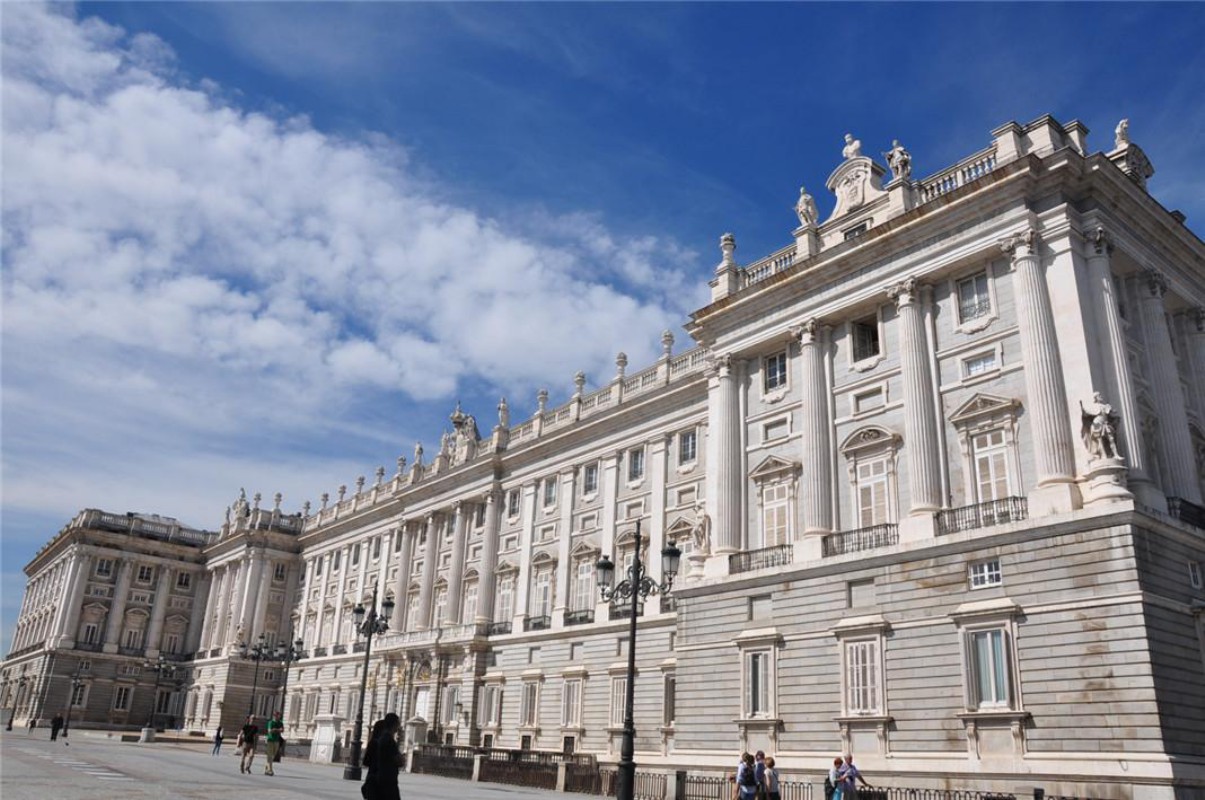
Architecture Influenced by the Moors
In the southern region of Andalusia, Moorish style is everywhere: arched doorways, intricate tile mosaics, and the layout of courtyards within Spanish architecture. These designs are not only beautiful but also reflect the wisdom of life at the time—courtyards cooled buildings in summer and retained warmth in winter.
Modernism and Gaudí
Barcelona is the central stage for Modernism. Gaudí’s works, such as the Sagrada Família and Park Güell, treat architecture as a combination of nature and art. His designs often break away from traditional straight-line structures, making one feel as if stepping into a dreamlike world.
Function and Aesthetics of Urban Architecture
Many Spanish buildings are designed with interaction between people and the environment in mind. For example, balconies and plazas are not just part of the landscape but serve as spaces for residents to connect. Some coastal cities also integrate sea breeze elements, using materials resistant to salt corrosion.
Table of Architectural Types
| City | Main Architectural Style |
|---|
| Granada | Moorish-style palaces |
| Barcelona | A mix of Modernism and Gothic |
| Madrid | Neoclassical and contemporary architecture |
Personal Impressions
My favorites are those buildings that merge history and modernity; walking through such streets, you can sense stories from the past while observing life in the present. For friends who love photography or art inspired by Spanish architectural scenery, such cities are an endless source of inspiration.
If Spanish architecture has been part of your life while living or traveling in Spain, feel free to share your observations and impressions of these buildings. Perhaps, through our exchange, we can discover more overlooked details.
