Characteristics of Spanish Mountain Architecture
The mountainous regions of Spain not only offer breathtaking scenery but also nurture unique architectural styles. These buildings reflect how local residents have adapted harmoniously to their environment over centuries. Especially in the northern mountain ranges and inland highlands, the architectural styles display pronounced regional character.
Materials and Structure
In mountain architecture, the most common materials are local stone and wood. Stone walls provide insulation and wind resistance, while wooden roof structures help withstand rain and snow. Many house foundations are directly connected to the mountain itself, creating natural support. This layout is particularly safe and stable on steep slopes.
| Material Type | Main Function |
|---|
| Stone | Insulation, wind protection, structural support |
| Wood | Roofs, interior finishes, thermal insulation |
Spatial Layout
Mountain buildings are usually constructed in harmony with the terrain, with staggered floor levels that use natural slopes to divide functional areas. The ground floor is often used for storage or livestock, the middle floor for living areas, and the upper floor for bedrooms or viewing platforms as shown in Spanish Architecture. This design makes full use of the mountain’s three-dimensional space and reduces damage to the natural environment.
Roofs and Drainage
Given the concentrated and fast rainfall in mountain areas, roof design is crucial. Most are double-pitched or multi-pitched, facilitating rapid drainage and preventing snow accumulation from damaging structures. Ignoring roof pitch often leads to leaks. Rainwater is directed through external wall gutters to safe zones, preventing erosion of foundations.
Culture and Aesthetics
Beyond practicality, Spanish mountain architecture carries strong local cultural imprints. Eaves carved with decorative patterns, flowerpots on window sills, and stone-paved paths all express the residents’ aesthetic sense and lifestyle. 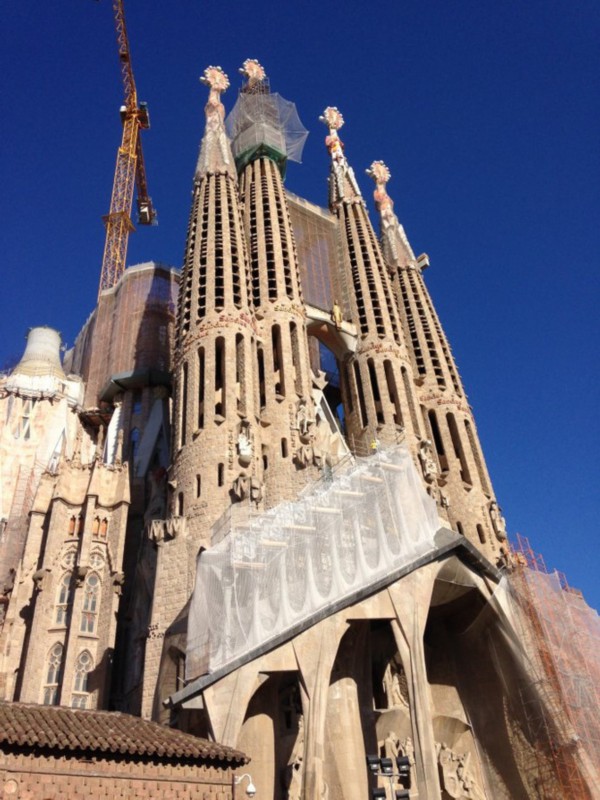 Every house has unique shapes and decorations, conveying history and emotion.
Modern Integration
With the development of new materials and construction techniques, more modern elements are being integrated into traditional mountain architecture. Glass curtain walls paired with stone walls, solar panels combined with sloped roofs, allow these buildings to retain their traditional style while meeting contemporary living demands. This fusion brings new vitality to mountain areas and offers architecture enthusiasts rich case studies such as Spanish Architectural Scenery and Spanish Architecture.
